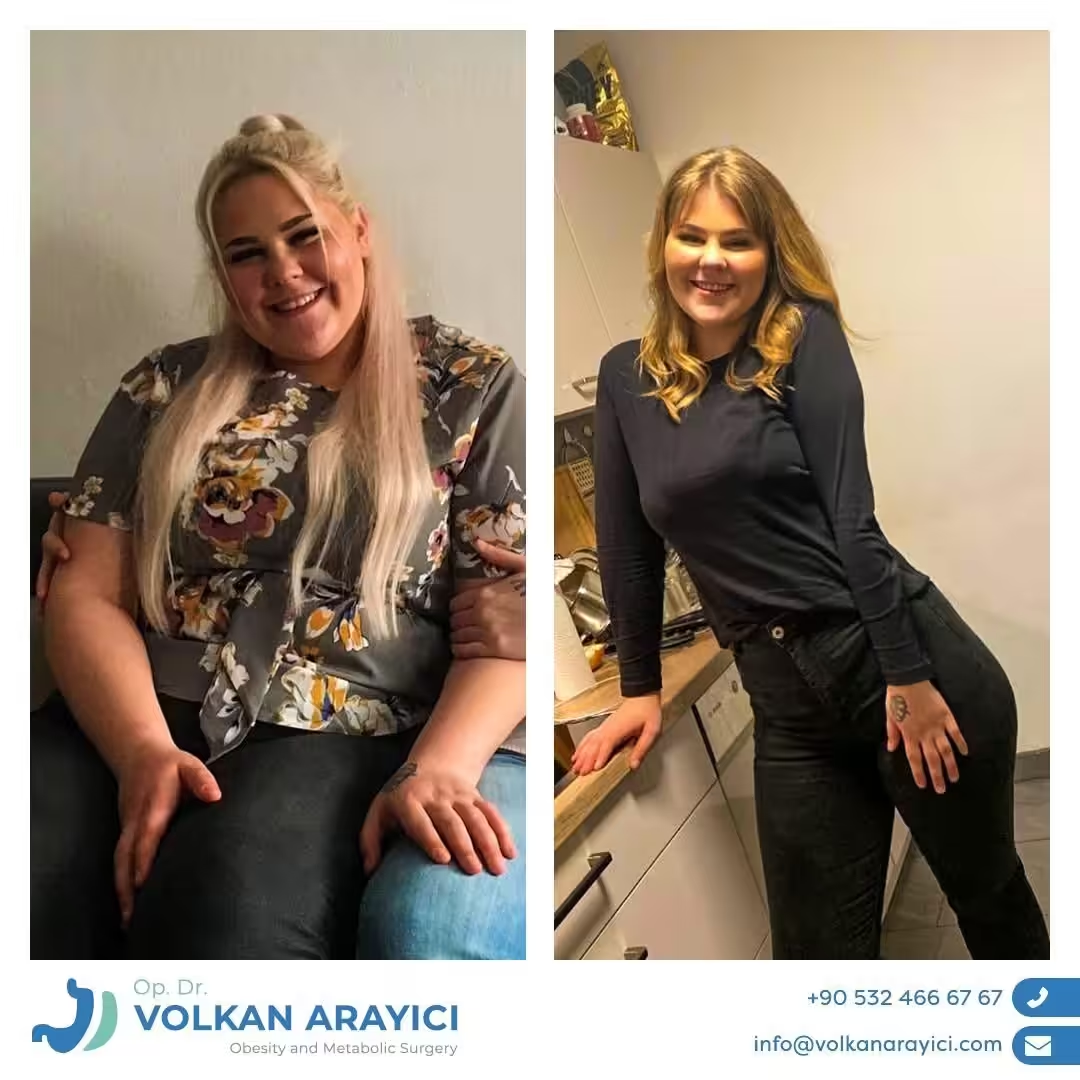
Gastric Sleeve Before and After: What to Expect
Deciding to undergo bariatric surgery is a significant life event. It is not merely a medical procedure; it is the beginning of a profound transformation that affects your physical health, your emotional well-being, and your daily lifestyle. For many patients traveling from countries like Germany, the UK, or Spain to Turkey for this procedure, having a clear roadmap of what lies ahead is essential for peace of mind.
Gastric sleeve surgery, also known as sleeve gastrectomy, is a laparoscopic procedure that reduces the size of the stomach to limit food intake. However, the surgery itself is just one moment in a longer journey. Understanding the timeline—from the initial weight loss goals to the long-term maintenance required—empowers you to take control of your health.
This comprehensive guide will walk you through the critical stages of the gastric sleeve journey. We will explore realistic weight loss expectations, the resolution of comorbidities like diabetes and hypertension, the nutritional requirements post-surgery, and the long-term lifestyle changes necessary for success.
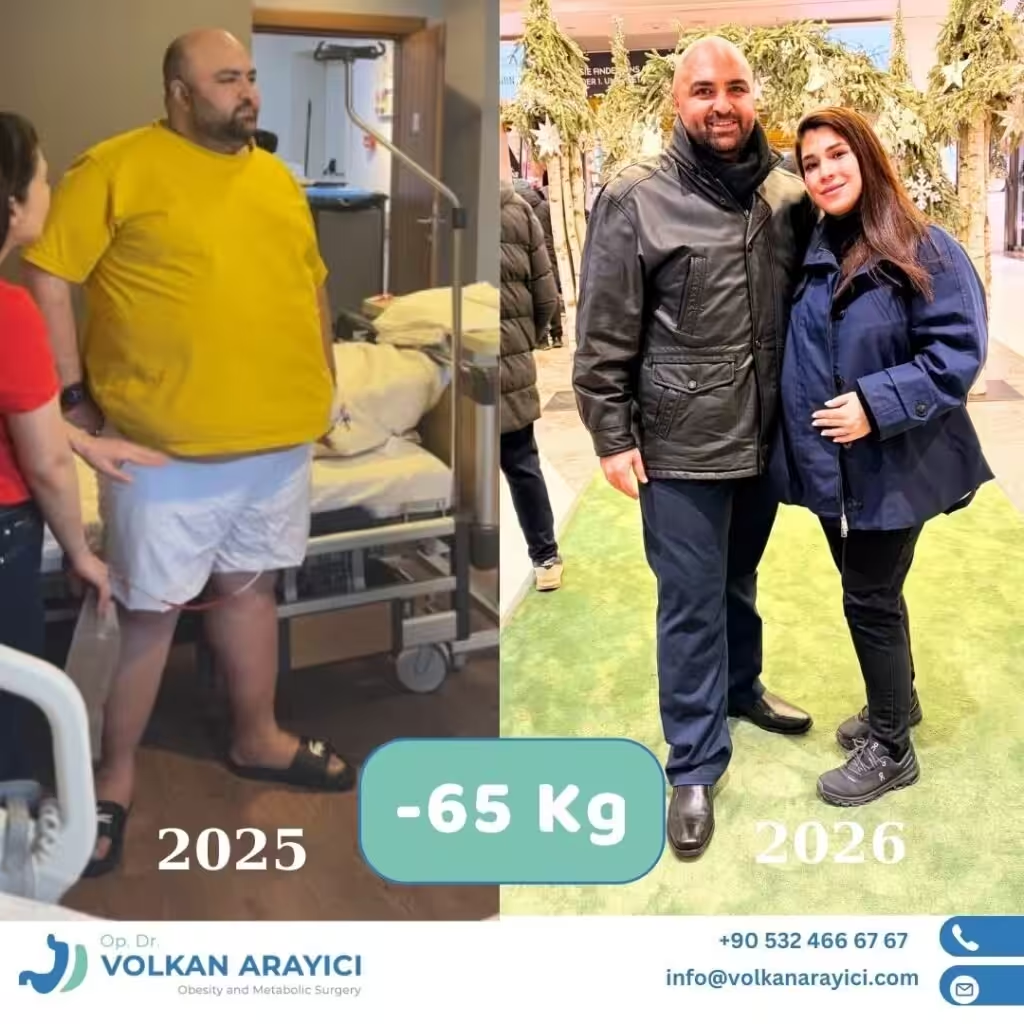
Understanding Your Ideal Weight Goals: How much weight will ı lose?
One of the most common questions patients ask during consultations is, “How much weight will I lose, and what should my target be?” To answer this, we must first understand the concept of “ideal weight” and how it relates to surgical outcomes.
It is important to manage expectations realistically. The goal of bariatric surgery is not necessarily to reach a “supermodel” physique, but to reach a healthy weight that maximizes your longevity and quality of life. For example, if a patient is 1.80 meters (approx. 5 feet 11 inches) tall, medical standards generally suggest an ideal weight of around 80 kilograms (approx. 176 lbs).
However, starting points vary. A patient with a Body Mass Index (BMI) of 45 has a different journey than a patient with a BMI of 35. The success of gastric sleeve surgery is often measured by the percentage of excess weight lost.
The First 12 Months: A Window of Opportunity
The first year following your operation is often referred to as the “golden period.” During this time, your body is biologically primed to lose weight rapidly due to the metabolic changes caused by the surgery and the significant reduction in calorie intake.
Statistically, patients can expect to lose approximately 80% of their excess weight within the first 12 months.
This is a substantial amount. If you are carrying 50 kilograms of excess weight, you might expect to lose around 40 kilograms in that first year, provided you adhere to the recommended dietary guidelines. This rapid reduction is a powerful motivator, but it also signals the importance of this timeframe. The habits formed in this first year—regarding nutrition, hydration, and physical activity—often dictate long-term success.
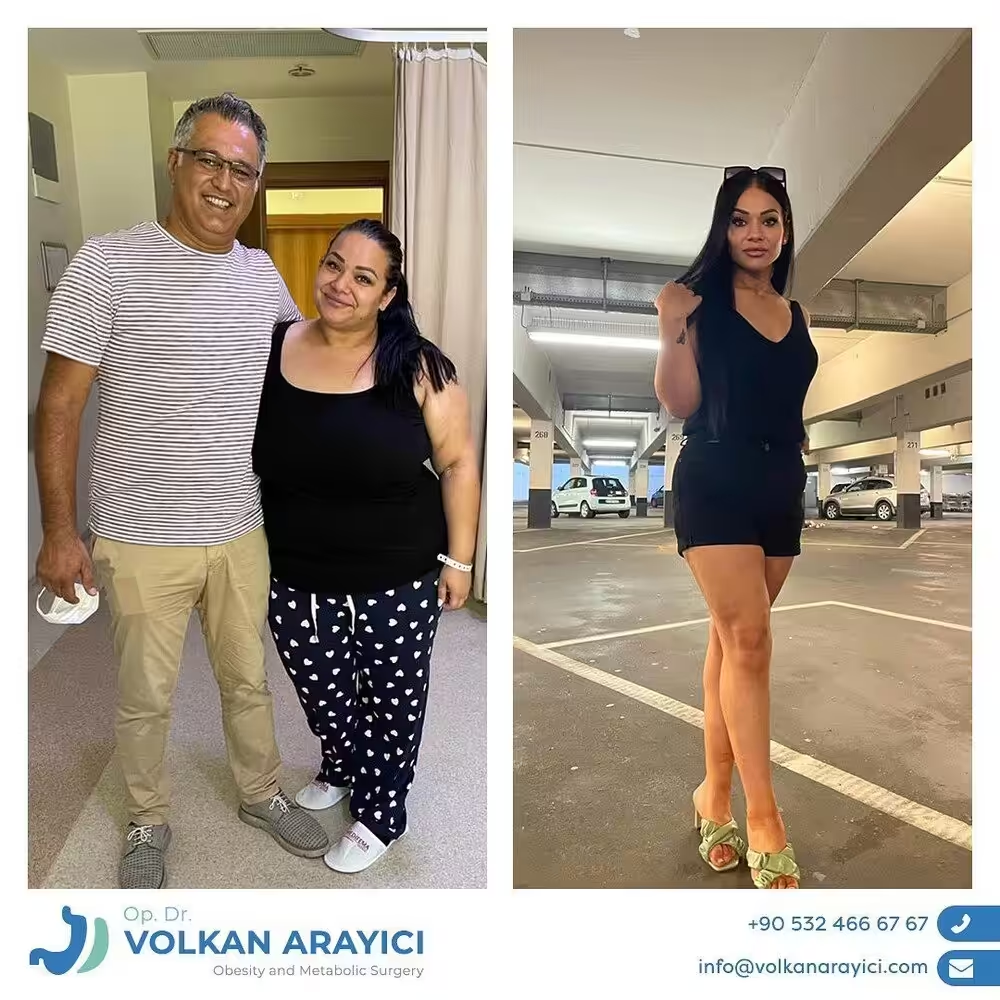
The Resolution of Obesity-Gastric Sleeve Before and After Comorbidities
Obesity is rarely an isolated condition. It is frequently accompanied by a cluster of metabolic issues known as comorbidities. These include Type 2 diabetes, hypertension (high blood pressure), and obstructive sleep apnea. For many patients, the primary motivation for surgery is not just the number on the scale, but the desire to be free from chronic medication and health risks.
The metabolic impact of gastric sleeve surgery extends far beyond simple calorie restriction. The procedure alters gut hormones that control blood sugar and hunger, leading to profound health improvements.
Remarkable Remission Rates
Post-surgery, patients often see a dramatic improvement in these associated conditions. Clinical data indicates that obesity related comorbidities improve or go into remission in approximately 80% of cases.
- Type 2 Diabetes: Many patients find their blood sugar levels normalize shortly after surgery, sometimes even before significant weight loss occurs. This can lead to a reduction or complete cessation of insulin and oral medications.
- Hypertension: As weight decreases and the cardiovascular system is under less strain, blood pressure often normalizes.
- Sleep Apnea: The reduction of excess tissue around the neck and improved respiratory function often allows patients to stop using CPAP machines and enjoy restful sleep.
This holistic improvement in health is the true victory of bariatric surgery. It represents a return to an active, medication-free life for many individuals.
The Weight Loss Timeline: Speed and Plateaus
The journey of weight loss is rarely a straight, diagonal line pointing downwards. It is a curve that changes over time, and understanding this trajectory prevents unnecessary anxiety.
The First Trimester: Rapid Reduction
In the first 3 months following surgery, weight loss is typically very rapid. Your body is adapting to a much smaller stomach capacity, and you are consuming a liquid or purée diet for several weeks. It is not uncommon to see significant drops on the scale week after week. This phase is exhilarating, but it is important to remember that this pace is temporary.
The Stabilization Phase
After the initial three months, the rate of weight loss will naturally slow down. This is a normal biological response. Your body attempts to find a new equilibrium. While the speed decreases, weight loss generally continues for up to 12 to 18 months.
During this period, you will transition to solid foods and begin to integrate more physical activity into your routine. The focus shifts from “how fast can I lose” to “how well can I nourish my body.”
Dealing with Stalls (Plateaus)
A phenomenon that worries almost every patient is the weight loss plateau. You might be following your diet perfectly, exercising regularly, and yet the scale refuses to move for several days or even weeks.
Please understand that weight loss stalls are completely normal and expected.
The body has strong survival mechanisms. When you lose weight rapidly, the body sometimes hits a “pause button” to adjust its metabolic rate and ensure it isn’t starving. These stalls are temporary. They are not a sign of failure. The most important action during a stall is to remain consistent. Do not reduce your calorie intake drastically or panic. Continue with your protein-rich diet and hydration, and the weight loss will eventually resume.
Medication and Supplementation Protocols
Gastric sleeve surgery changes how your digestive system functions. Consequently, you must support your body with specific medications and supplements to ensure healing and prevent nutritional deficiencies.
Stomach Protection (Gastric Protectors)
After the surgery, your stomach lining is healing. To reduce stomach acid and prevent ulcers or irritation, specific medication is required.
Patients are generally required to use stomach-protective medication (Proton Pump Inhibitors) for the first 6 months.
This helps create an optimal environment for the staple line to heal and reduces the risk of acid reflux, which can be a temporary side effect of the surgery. The good news is that this is not a lifelong requirement. Once the stomach has healed and adjusted, usually after six months, most patients can discontinue this medication under their surgeon’s supervision.
Multivitamins: Bridging the Nutritional Gap
Because you are eating significantly less food, it becomes challenging to get all the necessary vitamins and minerals from diet alone. Furthermore, the surgery can slightly alter absorption rates.
To prevent deficiencies such as hair loss, fatigue, or bone density issues, multivitamin supplementation is required for the first 9 months.
This usually involves a bariatric-specific multivitamin that contains higher doses of iron, B12, and other essential nutrients. Some patients may need to continue specific vitamins for longer depending on their blood work, but the intensive supplementation period is typically focused on the first year.
Monitoring Your Health: Blood Tests
Surgery is just the first step; surveillance is the second. To ensure that your weight loss is healthy and that you are not developing any “silent” deficiencies, regular medical monitoring is mandatory.
We require patients to undergo a comprehensive general blood analysis at the 1st, 3rd, and 6th-month marks post-surgery.
These tests allow us to check:
- Blood sugar levels (HbA1c)
- Liver and kidney function
- Iron and ferritin levels (anemia risk)
- Vitamin B12 and Vitamin D levels
- Electrolytes
By catching any imbalances early, we can adjust your diet or supplements immediately, preventing long-term complications. This proactive approach is a cornerstone of our safety protocols.
Addressing Skin Sagging
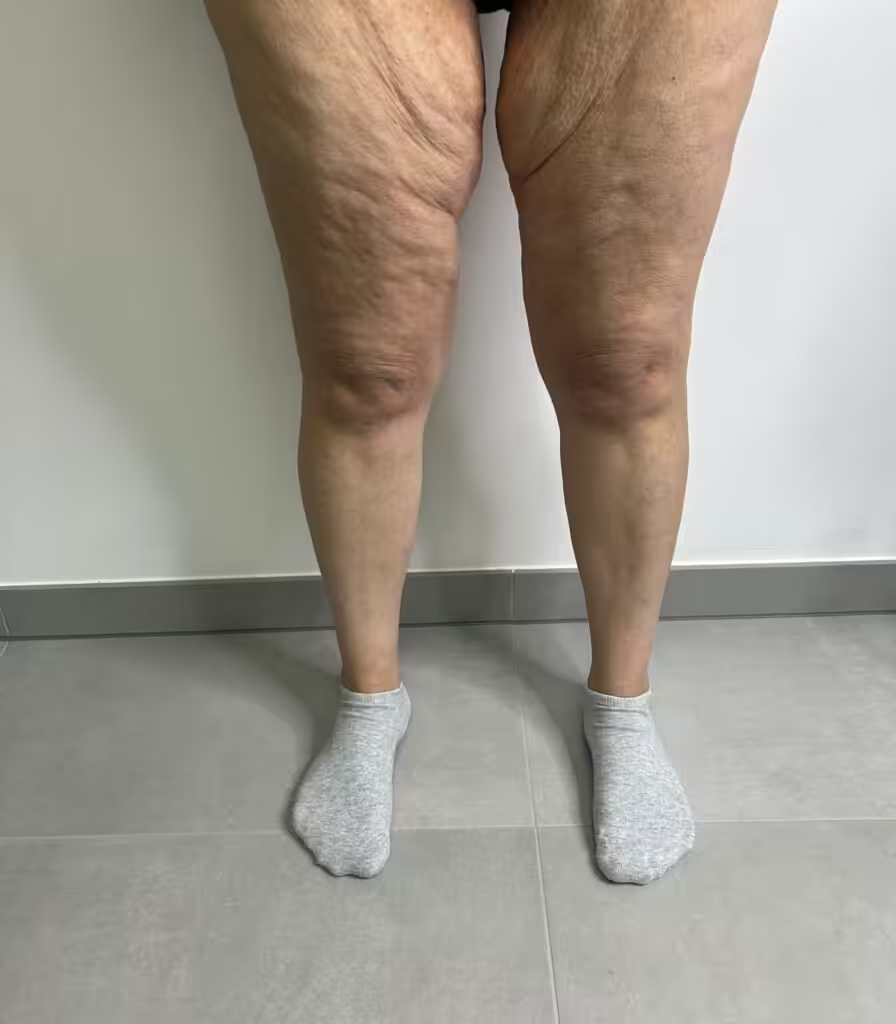
When you lose a significant amount of weight—such as 40, 50, or 60 kilograms—the skin may not be able to retract completely to fit your new body shape. This leads to excess or “sagging” skin.
Skin sagging is a possibility after gastric sleeve surgery, but the severity varies greatly from person to person.
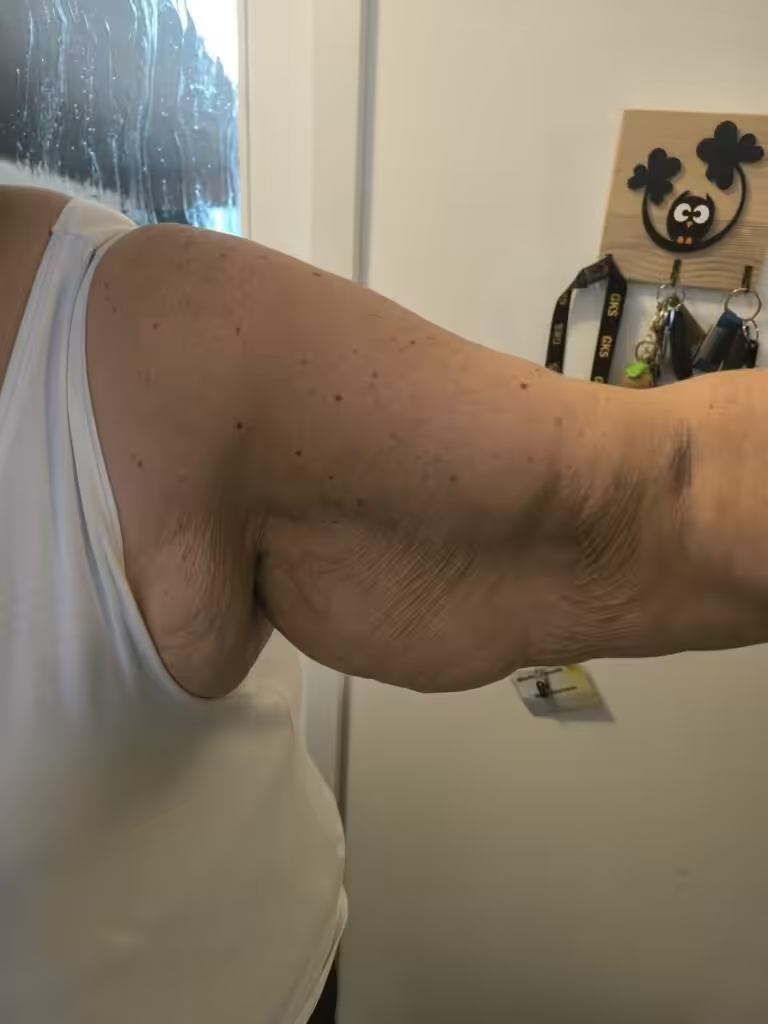
Factors Influencing Skin Elasticity
- Body Mass Index (BMI): Generally, the higher the starting BMI and the more weight lost, the greater the likelihood of excess skin. The skin has been stretched for a longer period, damaging the collagen and elastin fibers.
- Age: Younger patients typically have more elastic skin. They often experience less sagging compared to older patients whose natural skin elasticity has diminished over time.
- Genetics and Hydration: Some individuals are genetically predisposed to better skin quality. Staying well-hydrated can also assist in maintaining skin health.
While exercise can build muscle to fill out some loose skin, it cannot tighten the skin itself. For patients who find excess skin bothersome after their weight has stabilized (usually after 18 months), body contouring surgery (such as abdominoplasty) can be discussed as a future option.
Why Choose Op. Dr. Volkan Arayıcı?
When considering medical tourism for a procedure as significant as gastric sleeve surgery, the expertise of your surgeon is the single most critical factor in your safety and success.
Op. Dr. Volkan Arayıcı is a highly experienced General Surgeon specializing in Gastric Sleeve in Turkey. With a distinguished medical background graduating from Istanbul University Çapa Faculty of Medicine and specializing at Ege University, Dr. Arayıcı brings over a decade of surgical experience to his practice.
His approach combines technical precision with compassionate care. He understands the specific needs of international patients traveling from Germany, the UK, and Spain, ensuring that language barriers are removed and that every patient feels supported from the initial consultation through to post-operative recovery.
Choosing Dr. Arayıcı means choosing a surgeon with a proven track record of safety, high patient satisfaction, and a deep commitment to helping you reclaim your health. The journey to a healthier you begins with a single step—trust your care to an expert who understands the path ahead.
Gastric Sleeve Turkey All-inclusive Cost
For individuals seeking an effective solution to obesity, Dr. Volkan Arayici offers comprehensive gastric sleeve surgery in Turkey with fully transparent pricing. Our all-inclusive packages begin at £3000, providing you with expert medical care, necessary hospital arrangements, and dedicated multilingual support throughout your journey. You can proceed with absolute confidence, as we guarantee there are strictly no additional charges or hidden fees attached to your procedure. With over a decade of specialized surgical experience, our clinic ensures a clear and straightforward path to your health transformation, allowing you to focus entirely on achieving safe and lasting weight loss.
skin saggingi. skin sagging, skin saggingi. skin sagging, skin saggingi. skin sagging, skin saggingi. skin sagging