Light colored Stool After Gastric Bypass: A Causes and Warning Signs
Light colored stool after gastric bypass signals fat absorption changes. Op. Dr. Arayıcı explains causes, clay-colored vs. pale stool, and when to worry.
Op. Dr. Volkan Arayıcı · Bariatric & Metabolic Surgery · Izmir, Turkey
Light colored Stool After Gastric Bypass
Opting for weight loss surgery, such as a gastric bypass or other forms of gastric reduction, marks the beginning of a life-changing journey. It promises significant weight loss along with substantial improvements in overall health and quality of life. However, while the benefits are immense, such a procedure also brings profound changes to the digestive system. One common observation that often causes concern among patients is light colored stool after gastric bypass.
Though this phenomenon is often a normal part of the adjustment process, it raises many questions. Is very light stool dangerous? What does it mean? And how can you promote healthier digestion? This detailed guide explores the causes, significance, and optimal strategies to manage digestive adjustments after bariatric surgery. We’ll delve into why light colored stool after gastric bypass occurs and when it’s time to seek medical advice.
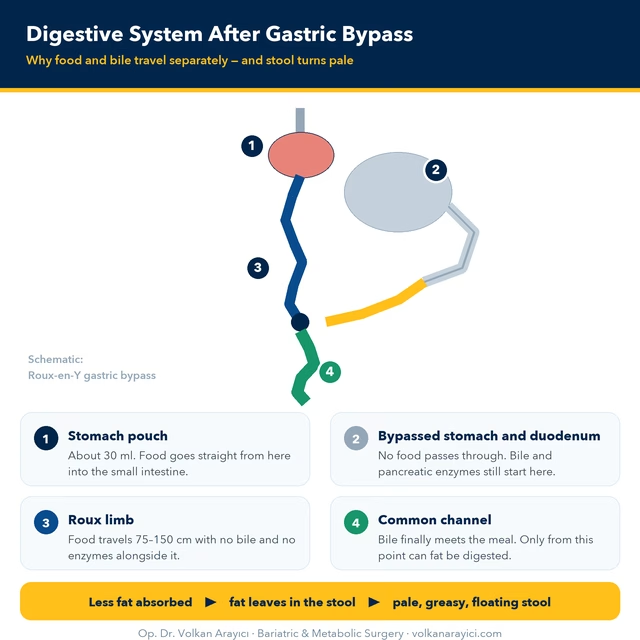
The Fundamental Change: The Digestive System After Surgery
To understand why stool color changes, it’s crucial to grasp how a gastric bypass surgery works. During this procedure, the stomach is reduced to a small pouch that holds only a limited amount of food. This pouch is then directly connected to a lower section of the small intestine. This “bypass” allows food to skip a large part of the stomach and the upper small intestine (duodenum).
This reconstruction has two primary effects:
This intentional malabsorption accelerates weight loss but is also the main cause of many observed digestive changes, including light-colored stool.
Primary Causes of Light colored Stool After Gastric Bypass
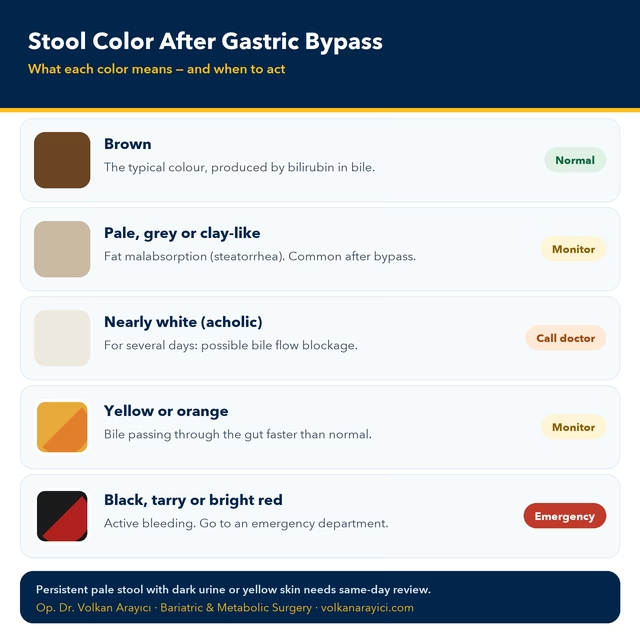
The color of your stool is a direct indicator of what’s happening in your digestive system. The typical brown color is due to bilirubin, a breakdown product of red blood cells that is processed by the liver and released into the intestine via bile. Bacteria in the gut further process it to create the characteristic color. When this process is disrupted, stool color can change. After gastric bypass surgery, there are several specific reasons for this.
Fat Malabsorption and Steatorrhea: The Most Common Cause
The most frequent cause of light-colored stool after gastric bypass is fat malabsorption, medically known as steatorrhea.
- The Mechanism: Fats in food require bile acids from the liver and digestive enzymes from the pancreas to be broken down and absorbed in the upper small intestine. Since food bypasses this section, fats encounter digestive juices much later. As a result, the time and surface area for absorption are greatly reduced.
- The Outcome: A significant portion of dietary fats remains undigested and passes into the large intestine, where it is excreted in the stool. Fat itself is light in color, leading to very light stool, which may appear yellowish, gray, or clay-like.
- Appearance of Fatty Stool: Fatty stool is not only light-colored but also has other distinctive features. It may look oily, shiny, or frothy and often has a particularly strong odor. It may float in the toilet and be difficult to flush, leaving an oily film behind. Many patients describe it as bulky and soft.
A certain level of steatorrhea is common in the first months after gastric bypass surgery and is a side effect of the rerouted anatomy — not a goal of the operation. However, excessive fat malabsorption can cause significant discomfort and nutrient deficiencies, which need to be monitored.
Changes in the Bile System
Bile plays a key role in stool color, and any disruption to this system can lead to light-colored stool.
- Reduced Bile Flow: The new anatomy may alter the signaling pathways that regulate bile release. If less bile reaches the intestine, the stool lacks its “pigment.”
- Gallstones: Rapid and significant weight loss, common after gastric reduction, is a known risk factor for gallstone formation. These stones can block the bile duct, preventing bile from reaching the intestine. A blocked bile flow is a serious medical condition that can cause very light (acholic) stool, dark urine, and yellowing of the skin (jaundice).
Dietary Adjustments
In the early months after surgery, the diet is heavily restricted, consisting mainly of liquids or pureed foods with very low fat content. Such a low-fat diet can temporarily lead to lighter stool, as there is less fat to process and less bile production. This usually normalizes as solid foods and a more balanced diet are reintroduced.
Medications and Supplements
Certain medications or high doses of supplements can also impact stool color. It’s important to discuss all medications and supplements with your healthcare provider to rule out these as a cause.
It’s worth noting that light colored stool after gastric reduction is not exclusive to gastric bypass but may also occur after other bariatric procedures like sleeve gastrectomy, although it is more common in malabsorptive procedures like the bypass.
Solutions: How to Promote Healthier Digestion
Achieving healthier digestion after gastric bypass surgery is about finding a stable balance. It involves supporting your digestive system, minimizing discomfort, and ensuring optimum nutrient absorption.
Strictly Follow Your Diet Plan
The dietary plan created by your bariatric team is your roadmap to digestive health.
- Low-Fat Diet: Avoid foods high in unhealthy fats (e.g., fried foods, creamy sauces, fatty cuts of meat). These overwhelm your new digestive system and lead to pronounced fatty stool with unpleasant side effects like diarrhea, cramps, and bloating.
- Focus on Protein: A protein-rich diet is crucial for muscle maintenance and healing. Stick to lean protein sources.
- Small, Frequent Meals: Eat five to six small meals throughout the day. This reduces strain on your digestive system and allows better nutrient absorption.
Take Supplements Consistently
Malabsorption affects not just fats but also fat-soluble vitamins (A, D, E, K) and other essential nutrients like vitamin B12, iron, and calcium. Deficiencies can have serious health consequences.
- Lifelong Supplementation: Taking prescribed vitamin and mineral supplements is not optional but a lifelong necessity.
- Special Bariatric Formulas: Use the high-dose supplements recommended by your doctor, designed specifically for post-bariatric surgery needs.
Consider Pancreatic Enzymes (Under Medical Supervision)
If steatorrhea is severe enough to cause chronic diarrhea, significant discomfort, or confirmed nutrient deficiencies, your doctor may prescribe pancreatic enzyme supplements. Taken with meals, these capsules improve fat digestion and absorption, reducing symptoms and normalizing stool appearance.
Stay Hydrated and Add Fiber
- Hydration: Dehydration is common. Drink water at least 1.5 to 2 liters of calorie-free fluids daily, but between meals to avoid overfilling your small stomach pouch.
- Fiber: Once your diet allows, incorporate soluble fiber (e.g., from fine oats, psyllium husk, or specially fortified products). This can help improve stool consistency and support healthier digestion.
When Is Light-colored Stool a Warning Sign?
While light-colored stool after gastric bypass is often harmless, there are instances where it may indicate a serious complication. Knowing the warning signs and acting promptly is critical.
Contact your doctor or bariatric center immediately if you notice any of the following symptoms:
Never hesitate to reach out to your healthcare team if you’re uncertain. Early evaluation can prevent serious complications.
Floating Stools After Gastric Bypass: Is It Normal?
Floating stools after gastric bypass are a common and usually harmless finding, particularly in the first weeks after surgery. When fat is not fully absorbed — a condition called steatorrhea — stools become less dense than water and float. This happens because the gastric bypass reroutes digestion, reducing the time bile and pancreatic enzymes have to process dietary fat.
Occasional floating stools are not a cause for alarm. However, if they are persistent, pale, greasy, and foul-smelling, this points to ongoing fat malabsorption that should be reviewed by your surgeon. The usual correction is adjusting fat intake in the diet and, in some cases, supplementing with digestive enzymes.
Black or Tarry Stool After Gastric Bypass
Black stool after gastric bypass is a different problem from pale stool, and it is the one situation on this page that cannot wait. A tarry stool — black, sticky and known medically as melena — is blood that has been digested on its way through the gut. The darker and stickier it is, the higher up the bleeding started.
After a gastric bypass, the usual source is a marginal ulcer: an ulcer at the join between the stomach pouch and the small intestine. Smoking, anti-inflammatory painkillers such as ibuprofen, untreated Helicobacter pylori and regular alcohol all raise the risk. A marginal ulcer that bleeds is the most serious gastrointestinal complication of bypass surgery, and it is treatable — but only if it is seen in time.
Black and tarry
Sticky, shiny, hard to flush, with a distinctly foul smell. Digested blood from the stomach pouch or small intestine.
Emergency department, todayBright red
Fresh blood, usually from lower down the bowel. Small streaks often come from a fissure or haemorrhoid after straining.
Same-day medical reviewDark, but not tarry
Iron tablets and bismuth medicines darken stool harmlessly. It stays firm and normal-smelling, and you feel well.
Mention it at your next checkBright Red Blood in Stool After Gastric Bypass
Bright red blood in stool after gastric bypass usually comes from the last part of the bowel rather than from the operated area. A few streaks on the paper after a hard stool point to an anal fissure or a haemorrhoid, both common when constipation after bariatric surgery goes untreated. That is uncomfortable, not dangerous.
The picture changes when there is more than a streak. Blood mixed through the stool, bloody diarrhoea, clots, or bleeding together with dizziness, a racing pulse, breathlessness or pallor means you are losing blood faster than your body can replace it. Brisk bleeding from an ulcer can appear red rather than black because it moves through the gut too quickly to be digested.
Do not wait for a routine appointment. Black stool after gastric bypass, a tarry stool or bright red bleeding is assessed the same day — in an emergency department if you feel faint, or with your bariatric team if you do not. Bring the names of every medication and supplement you take; iron and painkillers change both the picture and the treatment.
Yellow or Orange Stool After Gastric Bypass
Yellow or orange-tinted stool after gastric bypass usually indicates that bile is passing through the digestive tract too quickly for the body to process it. After bypass surgery, the altered anatomy speeds up gut transit, and excess bile salts in the stool can produce this characteristic discoloration.
Yellow diarrhea after gastric bypass, sometimes called bile acid diarrhea, is more common in patients who have had Roux-en-Y gastric bypass. It typically improves with dietary adjustments — reducing fat, increasing soluble fiber, and eating smaller, more frequent meals. Persistent yellow diarrhea lasting more than two weeks warrants a gastroenterology referral to rule out bile acid malabsorption.
Foamy or Greasy Stool: Understanding Steatorrhea After Bypass
Foamy poop after gastric bypass, along with greasy or oily stool, is the hallmark of steatorrhea — fat in the stool. Because gastric bypass reduces stomach acid production and shortens the digestive path, fat-soluble nutrients pass through incompletely digested.
Mild steatorrhea is expected in the first months after surgery. Severe or persistent steatorrhea — loose, pale, greasy stools that are difficult to flush — may indicate pancreatic enzyme insufficiency or a wider malabsorption issue. In this case, your surgeon may order a 72-hour stool fat test and consider prescribing pancreatic enzyme replacement therapy (PERT).
Conclusion: Informed and Proactive Through the Adjustment Phase
Digestive changes after gastric bypass surgery are a natural and expected part of the adjustment process. Light colored stool after gastric bypass is often a normal result of fat malabsorption. By understanding the causes and recognizing the typical appearance of fatty stool, you can ease much of your anxiety.
The key to long-term success and well-being lies in proactive health management. Following your diet plan, consistently taking supplements, and attending regular medical check-ups are essential. Promote healthier digestion with mindful food choices and adequate hydration.
View these changes as proof that your body is responding to the surgery and moving toward a healthier, lighter life. Stay alert for warning signs, but don’t let normal adjustments discourage you. Your journey is a marathon, not a sprint, and an informed understanding of your body is your best companion along the way.
Frequently Asked Questions
Is it normal to have light colored stool after gastric bypass surgery?
Yes, it is common to experience changes in your stool color after a gastric bypass. A light colored stool after gastric bypass is often a normal consequence of the changes to your digestive system, particularly the reduced absorption of fats. While often normal, it is important to monitor this and understand the underlying causes.
What is the main cause of light-colored stool after a gastric bypass?
The most frequent cause is fat malabsorption, a condition known as steatorrhea. The surgery alters the path of your digestive tract, reducing the time and area available for fats to be digested and absorbed. This undigested fat is then excreted, which can make the stool appear lighter in color (yellowish to clay-colored), oily, and bulky.
What does a fatty stool (steatorrhea) look like?
The typical fatty stool appearance is not just light in color. It can also be greasy, shiny, or frothy, and may float on top of the toilet water. It often has a particularly strong, unpleasant odor and can be difficult to flush. This is a direct result of excess fat in the stool.
Can my diet affect the color of my stool after surgery?
Absolutely. In the initial phases after surgery, your diet is very low in fat. This can temporarily lead to lighter-colored stools. As you reintroduce foods, consuming a meal high in fat can trigger a more pronounced fatty stool. Adhering to the low-fat dietary guidelines provided by your surgical team is one of the best healthy digestion tips to manage this.
Are floating stools normal after gastric bypass?
Floating stools are common after gastric bypass, especially in the early months. They usually indicate some degree of fat malabsorption (steatorrhea), which is expected as your body adapts to the new digestive anatomy. If they are pale, foul-smelling, greasy, and persistent beyond six months, discuss this with your surgeon — dietary fat intake may need adjusting or digestive enzyme support may help.
What does yellow poop mean after gastric bypass?
Yellow stool after gastric bypass usually signals that bile is moving through your digestive tract faster than normal, a consequence of the shortened gut transit that bypass creates. Occasional yellow stool is not dangerous. If it is watery, persistent, or accompanied by cramping, it may indicate bile acid diarrhea, which can be managed with dietary changes and, in some cases, medication.
When is stool color after gastric bypass a medical emergency?
Black, tarry, or bright red stool after gastric bypass requires immediate emergency care. These colors indicate active bleeding in the digestive tract — often from a marginal ulcer at the junction between the stomach pouch and small intestine. Do not wait for a routine appointment. Call emergency services or go directly to an emergency department.
Gastric Sleeve Turkey, specific signs and symptoms
Op. Dr. Volkan Arayıcı
Specialist in Bariatric & Metabolic Surgery · Izmir, Turkey
This article was written and medically reviewed by Op. Dr. Volkan Arayıcı. Dr. Arayıcı has been exclusively specialising in bariatric surgery since 2014 and has performed over 5,000 procedures at a JCI- and TEMOS-accredited hospital in Izmir.
✍ Published: September 30, 2025 · 🔄 Updated: August 28, 2026 · About the author →
© Copyright 2026 Op. Dr. Volkan ARAYICI. All Rights Reserved.
